International Journal of Applied Biology and Pharmaceutical Technology
International Journal of Applied Biology and Pharmaceutical Technology [IJABPT] is a peer reviewed multi-disciplinary an online international journal to promote all fields of Applied Biology and Pharmaceutical Sciences like Botany, Zoology, Biochemistry, Biotechnology, Microbiology, Cell Biology, Molecular Biology, Genetics, Immunology, Pathology, Neurobiology, Proteomics & Genomics, Agricultural Sciences, Seed Technology, Plant Pathology & Entomology, Plant & Animal Physiology, Cell and Tissue Cultures, Nutrition, Fermentation technology, Enzymology, Agri-Biotechnology, Cytology, Hydrology, Pharmacology, Pharmaceutics, Pharmacognosy, Pharmacogenomics, Pharmacy Practice, Natural Chemistry, Analytical Chemistry, Synthetic Chemistry, Physical Chemistry, Organic & Inorganic Chemistry, Environmental Chemistry, Phyto Chemistry, Soil Chemistry, Industrial Chemistry, Medicinal Chemistry, Food Chemistry, Biopharmaceutics, Bioanalytical Chemistry, Polymer Chemistry, Nanotechnology, Clinical Research, BA/BE Studies, Drug discovery, Novel Drug delivery systems, Nuclear Pharmacy, Bioinformatics, Chemiinformatics, QC/QA, and Analytical R&D in Pharma.
International Journal of Applied Biology and Pharmaceutical Technology publishes research papers, short communications, reviews and notes dealing with entire aspects of Applied Biological, Chemical and Pharmaceutical sciences.
International Journal of Applied Biology and Pharmaceutical Technology uses Editorial Manager System for a qualitative and prompt review process. Editorial Manager is an online manuscript submission, review and tracking system. Review processing is performed by the editorial board members of Health Science Journal or relevant experts from other universities or institutes. Minimum two independent reviewer’s approval followed by editor approval is required for the acceptance of any citable manuscript. Authors may submit manuscripts and track their progress through the editorial system. Reviewers can download manuscripts and submit their opinions to the editor whereas the editors can manage the whole submission/review/revise/publish process via editorial manager.
Everything you need to advance your research, all in one place.
Track every step of your research, discover new insights, and access our expert advice - all for free.

Recent Articles
| A BRIEF REVIEW ON THE POTENTIAL MEDICINAL PLANTS AND SCREENING MODELS OF UROLITHIASIS Author(s): Bathini Santhoshi, Vijay R.Chidrawar and V. Uma Maheshwara Rao Abstract | PDF |
| ISOLATION OF ANTIBIOTIC PRODUCING BACTERIA FROM SOIL Author(s): M.V.S.Sandhya, E.Ramyakrishna, P.Divya, Anoor Pawan Kumar, Karthik Rajkumar, Emad Yazein, Sandeepta Burgula Abstract | PDF |
| SCHWANNOMA OF TONGUE, A RARE INTRAORAL NEOPLASM: CASE REPORT Author(s): Sreenivas Vemula, Roshini Sumalini, Sumalatha Kasturi, VijayMohan Margam, SanthoshBabu Rendla Abstract | PDF |
| STUDIES ON PHYSICO CHEMICAL CHARACTERISTICS OF KOTEGANGURU TANK, SHIVAMOGGA, KARNATAKA, INDIA Author(s): Mahesh Anand Goudar Abstract | PDF |
| MOLECULAR MODELING AND DOCKING STUDIES OF COLD ACTIVE LIPASE FROM Pseudomonas fluorescens Author(s): G. N. Gupta, V. K. Singh and V. Prakash Abstract | PDF |
Secured
Explain how this feature benefits your research in simple terms.
All-in-one biotech solutions
Clear communication – we believe in providing transparent and easy-to-understand information to our patients and partners.
User-friendly interfaces
Discover how this feature can accelerate your research in just a few words.
Useful Options
Stunning visualizations of your data
State-of-the-art laboratory facilities
Revolutionary scientific breakthroughs
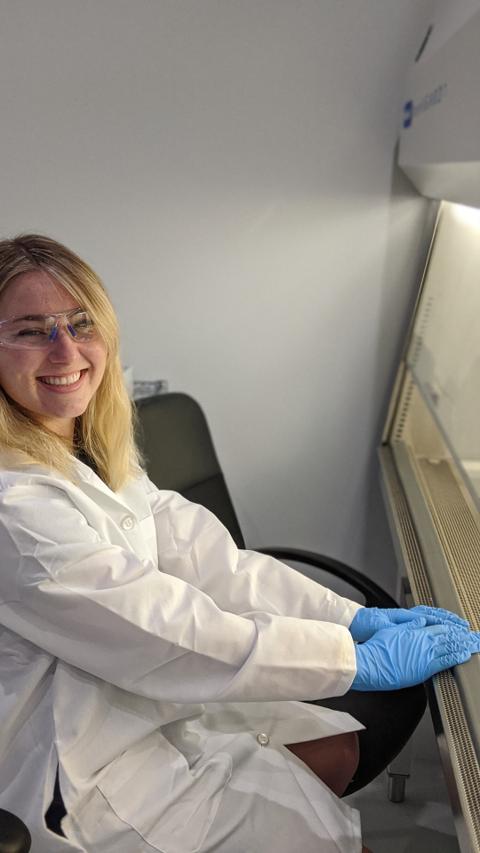
Our Mission
We provide personalized and compassionate care to our patients, working closely with healthcare providers to ensure the best possible outcomes. Our services are always free of charge.
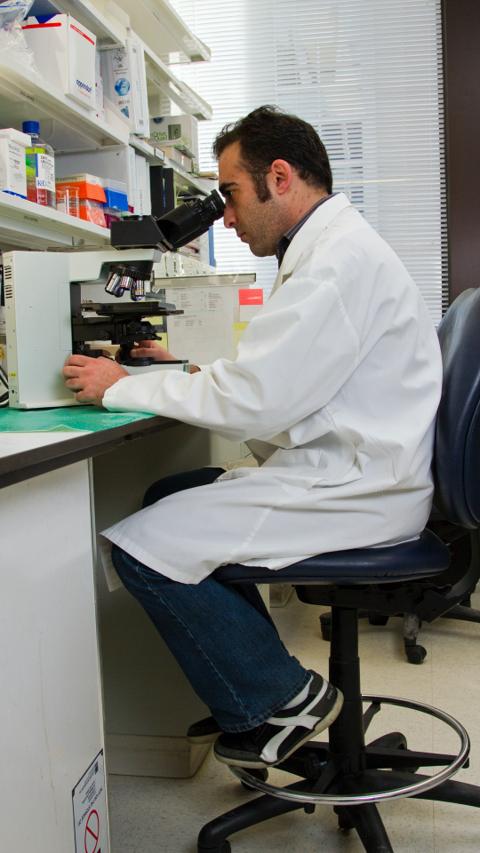
Our Values
We founded our company to make a positive impact on the world through biotechnology. We believe that science can change the world for the better.
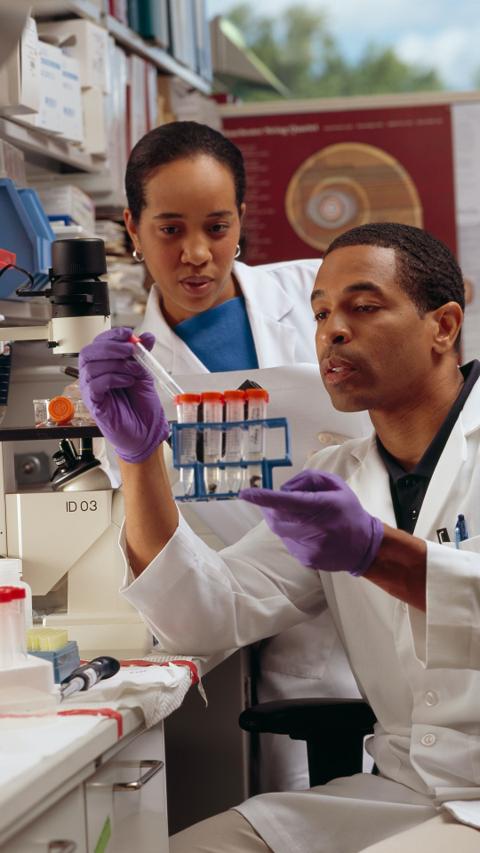
Our team
Our diverse team of 25 scientists and researchers, ranging in age from 25 to 66, is passionate about making a difference in the world. We are always looking for talented individuals to join our team.
50,000 patients have already benefited from our life-changing treatments.
Join us and revolutionize the biotech industry.